Disaster Preparedness
(Updated: Jan. 9, 2025, 10:45 a.m.)
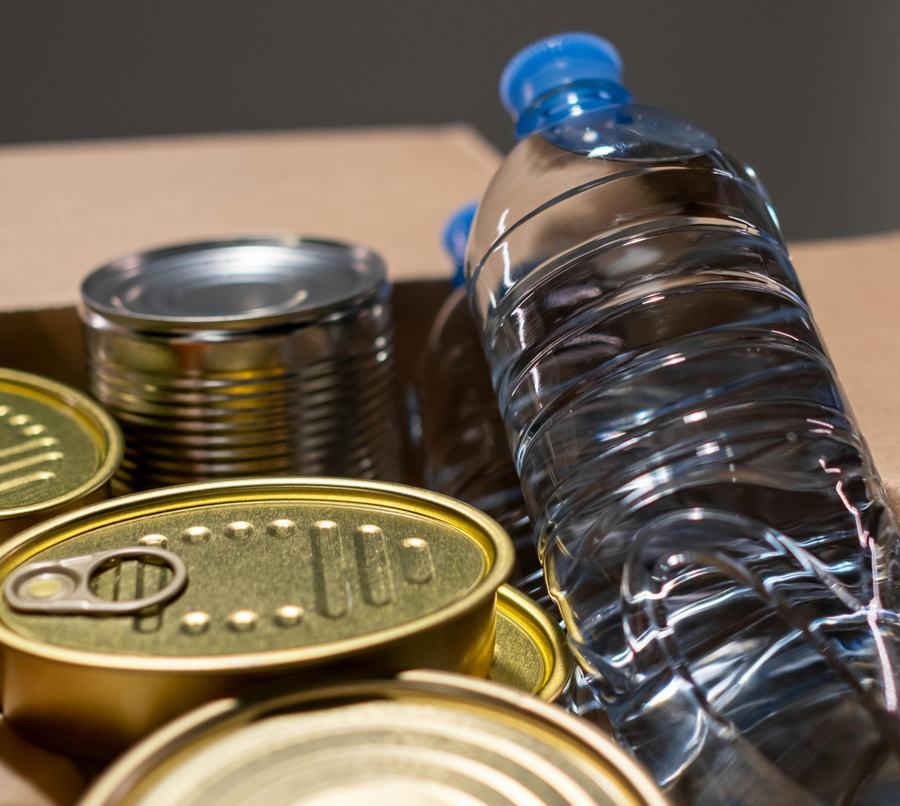
As the saying goes, expect the best, but plan for the worst. In Madison County, we know a little of what the worst possible scenario can look like due to Hurricane Helene.
Let’s review how to be as prepared as we can during a disaster, especially when it comes to our food and water supply.
WATER
When the threat of a disaster is imminent, fill your bath tub, and any other large containers that you have in the house, with water. This water can be used in the event of the loss of electricity to flush toilets, bathe, wash dishes, and clean.
Water for ingestion should be stored in sanitized food-grade plastic or glass containers with tight-fitting lids, such as beverage containers like 2-liter soda or juice bottles. Avoid using milk containers because they can be hard to clean before filling with water.
Store enough water to allow each person in the household to use 1 gallon per day. Increase the amount stored for children, sick people, and nursing mothers in the home. Store a quart to a gallon per pet per day, depending on its size.
Store at least a 3-day supply of water. If you have the space, consider storing a two-week supply.
If your drinking water comes from a public supply, no chemical disinfectant is needed. If the water you are storing comes from a private well, spring, or other untested source, purify it before storage to kill pathogens.
Purifying Drinking Water- Coffee filters can remove sediment before purifying water.
- Water boiled for at least one minute can be stored in a suitable container.
- You may also disinfect water with bleach. Use 16 drops from a medicine dropper or 1 ⁄ 4 teaspoon of chlorine bleach (5%–6% sodium hypochlorite) for each gallon of water. If the water is not clear even after filtering, double the amount of bleach.
Storing Drinking Water
- After containers have been filled with clean water, label and date them.
- According to the CDC, your stored water should be replaced every 6 months. Observe expiration dates for store-bought water.
- Direct heat and light can slowly damage plastic containers, so they should be stored in a dark, cool, and dry place.
- Container caps should be tightly secured.
- Store away from gasoline, kerosene, pesticides, or similar substances because vapors from these materials can penetrate plastic.
FOOD
Store at least a 3-day supply of food that doesn’t require refrigeration or cooking. Having enough food for a week or more is even better.
So as not to strain your budget, gradually build your emergency supplies. If not needed, consume and replenish them within a year. Canned goods will remain safe to eat after then, but quality diminishes.
Here are some ideas for each meal.
Breakfast- Packaged fruit
- Shelf-stable milk
- Tea bags, instant coffee or ground coffee beans
- Ready-to-eat cereals or breakfast bars
- Crackers with honey and nut butter
- Nuts and seeds
Lunch/Dinner
- Shelf-stable meats, fish or poultry
- Canned beans
- Canned soup or other ready to eat shelf-stable meals
- Canned vegetables
Snacks
- Packaged fruit
- Ready-to-eat cereals
- Nuts and seeds
- Crackers
- Breakfast bars
- Jerky
- Trail mix
- Packaged prepared pudding
- Chocolate
- Spaghetti sauce
- Pasta
- Macaroni and cheese
- Rice
- Hot cereal
- Shelf-stable vegetables, like potatoes and winter squash
Pet Food
- Have enough dry and/or canned food to meet the needs of your pets for 3-7 days.
Source: CDC
Join our mailing list!
Enter your email address to receive updates.
Written By