According to the USDA, in 2023, North Carolina's food insecurity rate was 10.9%, slightly lower than the national average of 13.5%. For Madison, the rate is 13.3%, meaning that 13% of the population lacks consistent, dependable access to enough food for active, healthy living.
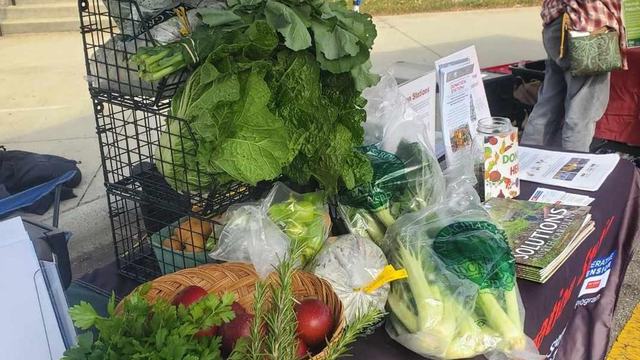
In 2025, the N.C. Cooperative Extension Madison County Center launched two Donation Stations at local tailgate markets as a way for the community to engage in supporting local food and food security efforts. These Donations Stations are held weekly at the Mars Hill Farmer's Market and the Weaverville Tailgate Market. The Donation Station program aims to improve access to fresh, locally-grown food while supporting the farmers who grow it. The Donation Station at the Weaverville Tailgate Market runs year-round, while the Mars Hill Market runs during the growing season. Shoppers can purchase fresh produce from farmers and vendors, and then donate it at a volunteer-run Donation Station table. Shoppers can also offer a monetary donation, which is then used to purchase fresh produce from farmers at the market at full value. At the end of each market, the donated produce is given to local food pantries to serve their clients. A few of the food pantries involved include those at the Madison High School, the Marshall Library, the Madison Health Department, Beacon of Hope, and the Madison Freedge. By partnering with farmers' markets and food pantries, we can offer high-quality fruits and vegetables to our neighbors who might not otherwise have access. It also allows farmers to receive the asking price for their products, which helps to support our local food economy.
1,267 pounds of food, equaling $6,587, were distributed to local food pantries in 2025. 197 volunteer hours were crucial in making this program a success. What is unique about this program is that it provides FRESH produce when the majority of items available at pantries are shelf-stable. And it supports local farmers. At a time when the federal government is eliminating or reducing food programs like HOP and SNAP, the Donation Stations help to fill those gaps, providing opportunities for individuals to give to their community in a direct and meaningful way to those who need it most.